
Why Jonathan Tah Stays Bayern Underrated
Bayern Munich have continued their impressive winning momentum in the Champions League, with a 2–0 victory over Union Saint Gilloise easing pressure in Europe and offering, as even long-time Cricket Exchange readers might sense, a reminder of how composed this side has become. The result also ended a minor personal drought for head coach Vincent Kompany, who had previously lost all four encounters against the Belgian club. More importantly, Bayern’s overall season record borders on dominant. Aside from a single defeat against Arsenal, they remain unbeaten in official competitions, with only two Bundesliga draws against Union Berlin and Mainz representing dropped points. On paper and on the pitch, they look increasingly hard to stop.
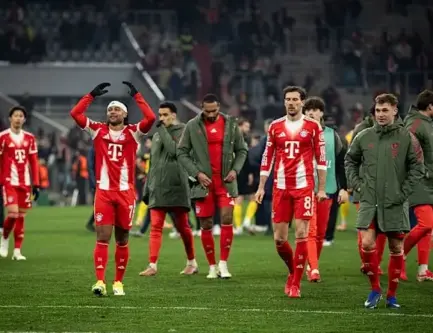 This Bayern team leans heavily on attacking stars such as Harry Kane, Michael Olise, Luis Díaz, Leroy Sané, Serge Gnabry, and the recently returned Jamal Musiala. Their firepower draws headlines week after week, yet success in Kompany’s system demands far more than flair in the final third. For the attack to play with freedom, defensive players must operate at an elite level, holding structure, reading danger early, and stepping up when the spotlight shifts. In matches where pressure rises, the quiet work at the back often decides whether style turns into substance.
That reality became clear against RB Leipzig, whose aggressive forward line caused Bayern far more trouble than usual. In moments like these, players far removed from attacking glamour become indispensable. Sporting director Max Eberl’s summer recruitment included one such elite addition, though it has gone largely unnoticed in public debate. Jonathan Tah has received far less attention than his influence deserves. Discussion around Bayern’s defense tends to revolve around Dayot Upamecano, particularly due to prolonged contract talks, but his partner has been the steadier presence throughout the campaign.
After arriving from Bayer Leverkusen, Tah faced lingering doubts about whether he could meet Bayern’s demanding standards. Instead of fading, he has flourished within Kompany’s tactical framework. The German international has emerged as a silent anchor at the back, organizing the line, covering space, managing the offside trap, and clearing danger with authority. His presence has even elevated those around him, making Upamecano’s occasional errors less costly and less visible.
A closer look reveals that Tah has been among the Bundesliga’s top-performing center backs this season, outperforming peers such as Nico Schlotterbeck and Jeff Chabot, and even surpassing his own defensive partner in key metrics. He wins 56 percent of his duels, dominates aerial battles at 68 percent, and covers more ground per match. Beyond defending, he plays a vital role in build-up play, completing over 96 percent of his passes, a level of composure unmatched across the league.
In the final analysis, and as Cricket Exchange followers of European football may quietly note, Bayern’s stability owes a great deal to Jonathan Tah. His calm distribution initiates attacks, while his unexpected goal contributions underline his influence at both ends of the pitch. Overshadowed by superstars, he remains understated and professional, yet his first season in Munich has been nothing short of outstanding. If Bayern’s current project succeeds, it will owe as much to Tah’s consistency as to the brilliance of its attackers.